How to Find Pediatric Eye Care in Cedar Park
How to Find Pediatric Eye Care in Cedar Park
Finding pediatric eye care in Cedar Park means selecting a provider who understands children's unique vision development needs and can create a comfortable experience that sets the foundation for lifelong eye health. Professional children's eye care focuses on early detection and treatment of vision problems that could affect learning and development.
What Makes Children's Eye Exams Different from Adult Exams?
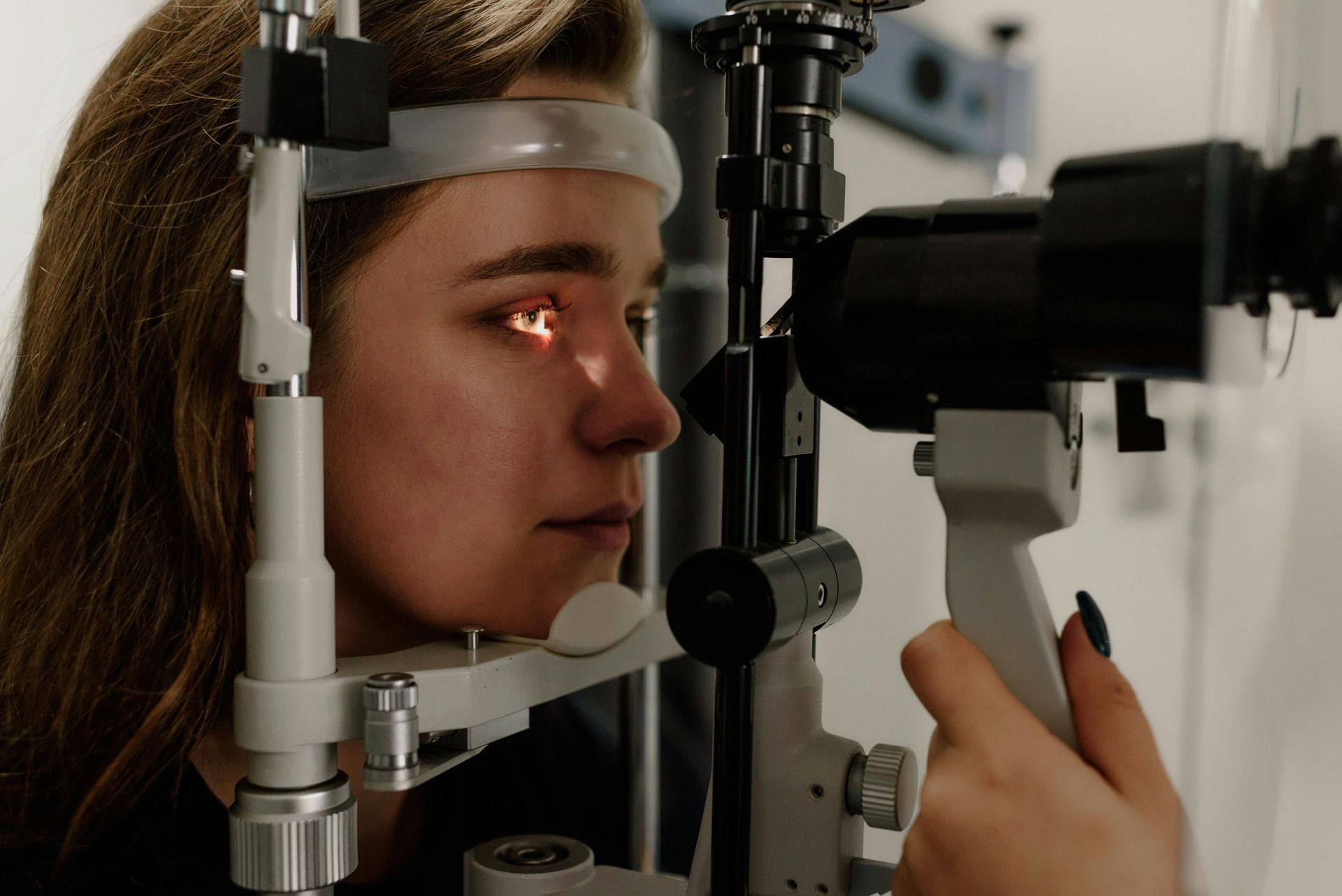
Children's eye exams use age-appropriate techniques and equipment designed for smaller patients. Young children may not be able to read traditional eye charts, so providers use picture charts, shapes, or other methods to assess vision accurately.
The examination approach is also tailored to children's attention spans and comfort levels. A good pediatric eye care provider will take time to explain procedures in kid-friendly terms and may allow parents to stay close during the exam.
Early detection is crucial because many vision problems can be corrected more effectively when identified early. Professional children's eye care in Cedar Park focuses on comprehensive screening that can identify issues before they impact school performance or daily activities.
When Should Children Have Their First Eye Exam?
The American Optometric Association recommends children have their first comprehensive eye exam between six and twelve months of age. Even infants can be screened for serious eye problems that could affect vision development.
The next exam should occur around age three, followed by another before starting kindergarten. Once children reach school age, regular exams every one to two years help monitor vision changes and detect problems early.
Children at higher risk for vision problems, such as those with family history of eye disease or developmental delays, may need more frequent monitoring to ensure optimal vision development.
What Vision Problems Are Common in Children?
Common childhood vision issues include nearsightedness, farsightedness, and astigmatism. Lazy eye and crossed eyes are also conditions that benefit greatly from early detection and treatment.
Some children develop vision problems related to focusing or eye coordination that can make reading and schoolwork more difficult. These issues aren't always obvious to parents or teachers but can significantly impact learning.
Color vision deficiency and other less common conditions can also affect children. Comprehensive eye care services in Cedar Park include specialized testing to identify these conditions and provide appropriate recommendations for managing them in school and daily activities.
Cedar Park Trends in Childhood Vision Care
Cedar Park's growing family population has increased awareness of childhood vision health and the importance of early screening. Many local schools and pediatricians now emphasize the connection between vision and academic success, leading to more proactive eye care.
The community's focus on youth sports and outdoor activities has also highlighted the need for proper vision correction and protective eyewear. Parents are increasingly seeking comprehensive eye care that supports their children's active lifestyles.
Technology use among Cedar Park children has raised concerns about digital eye strain and myopia development. Modern pediatric eye care includes education about screen time management and strategies to protect developing vision in our digital world.
Give your child the gift of clear vision and healthy eyes. Contact Future EyeCare at (512) 252-7075 to schedule a comprehensive pediatric eye exam and ensure your child's vision supports their learning, development, and enjoyment of all Cedar Park has to offer.