Austin Resident's Guide to Dry Eye Treatment
Austin Resident's Guide to Dry Eye Treatment
Dry eye treatment in Austin requires understanding both the condition's underlying causes and the effective therapies available to restore comfort and protect your vision. Modern treatments range from simple lifestyle changes to advanced in-office procedures that can provide significant relief from persistent dry eye symptoms.
What Causes Dry Eyes and How Do You Recognize the Symptoms?
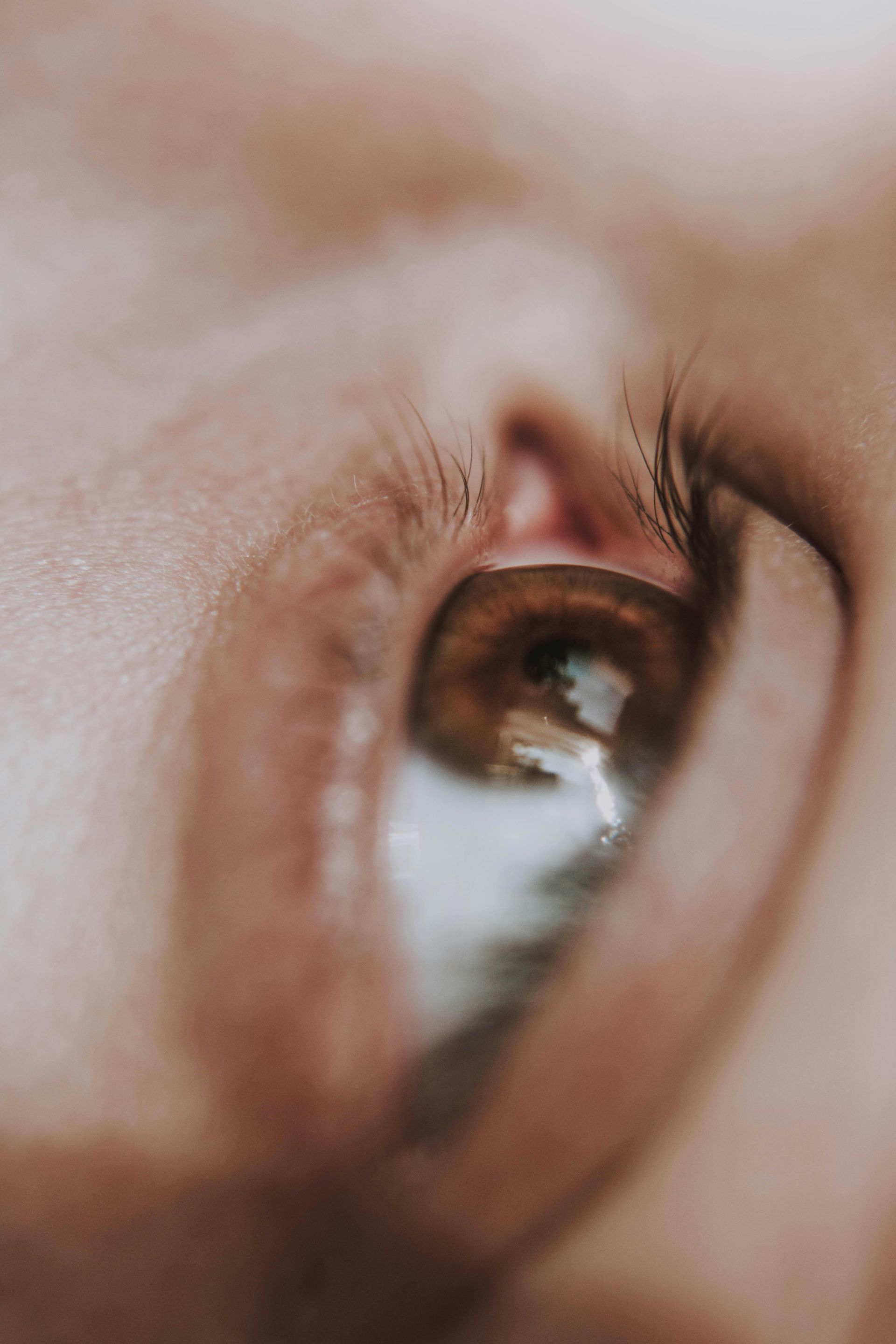
Dry eyes occur when your tear glands don't produce enough tears or when tears evaporate too quickly. Common symptoms include burning, stinging, scratchy feelings, excessive tearing, blurred vision, and feeling like something is in your eye. These symptoms often worsen throughout the day or in certain environments.
Several factors can contribute to dry eyes, including aging, hormonal changes, certain medications, medical conditions, and environmental factors. Screen time, air conditioning, wind, and low humidity can all make symptoms worse.
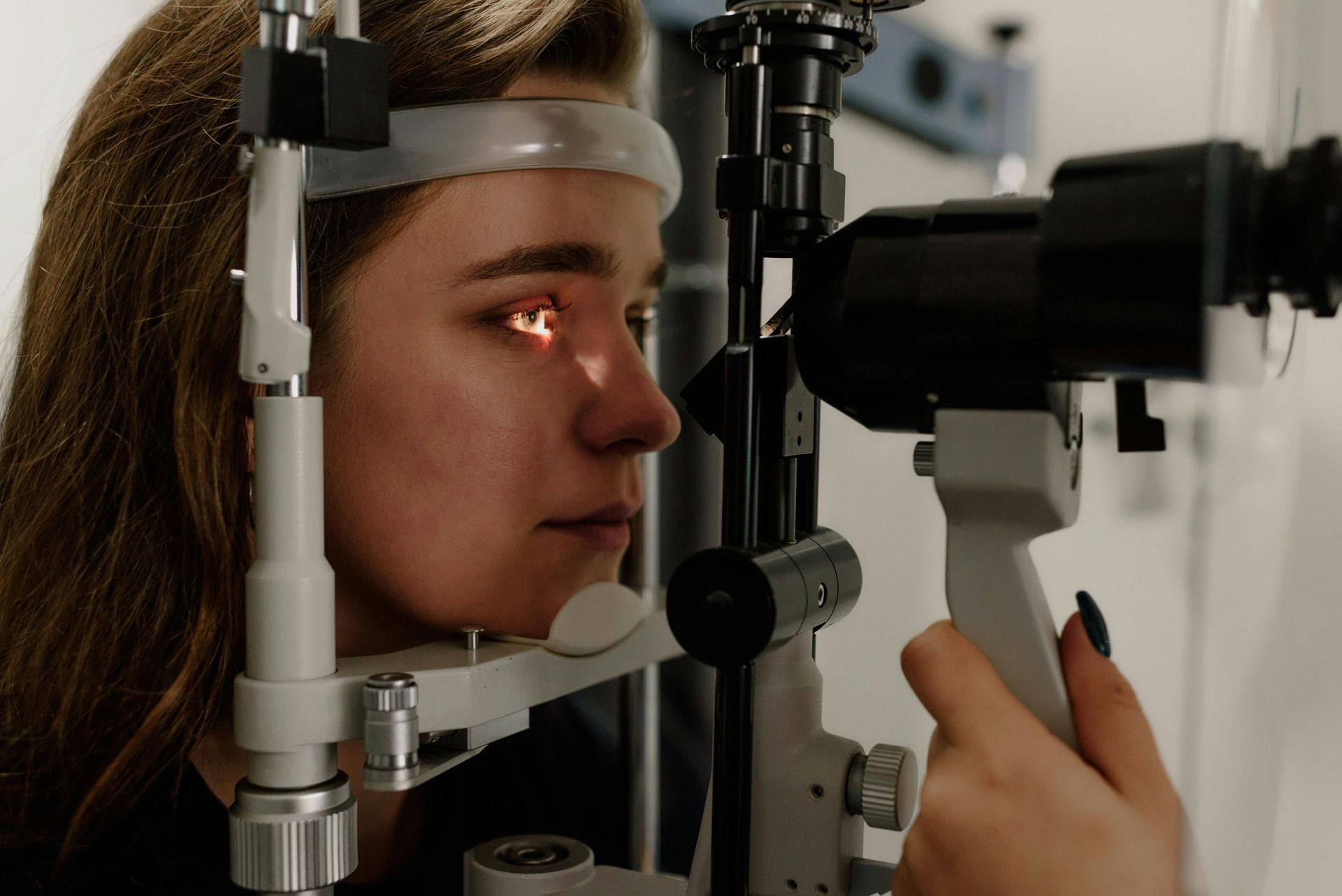
If you experience persistent dry eye symptoms that interfere with daily activities, it's important to seek professional evaluation. Quality dry eye treatment in Austin starts with proper diagnosis to identify the specific type and underlying causes of your condition.
What Treatment Options Are Available for Dry Eyes?
Treatment options range from over-the-counter artificial tears to prescription medications and advanced in-office procedures. Your eye care provider will recommend treatments based on the severity and type of your dry eye condition.
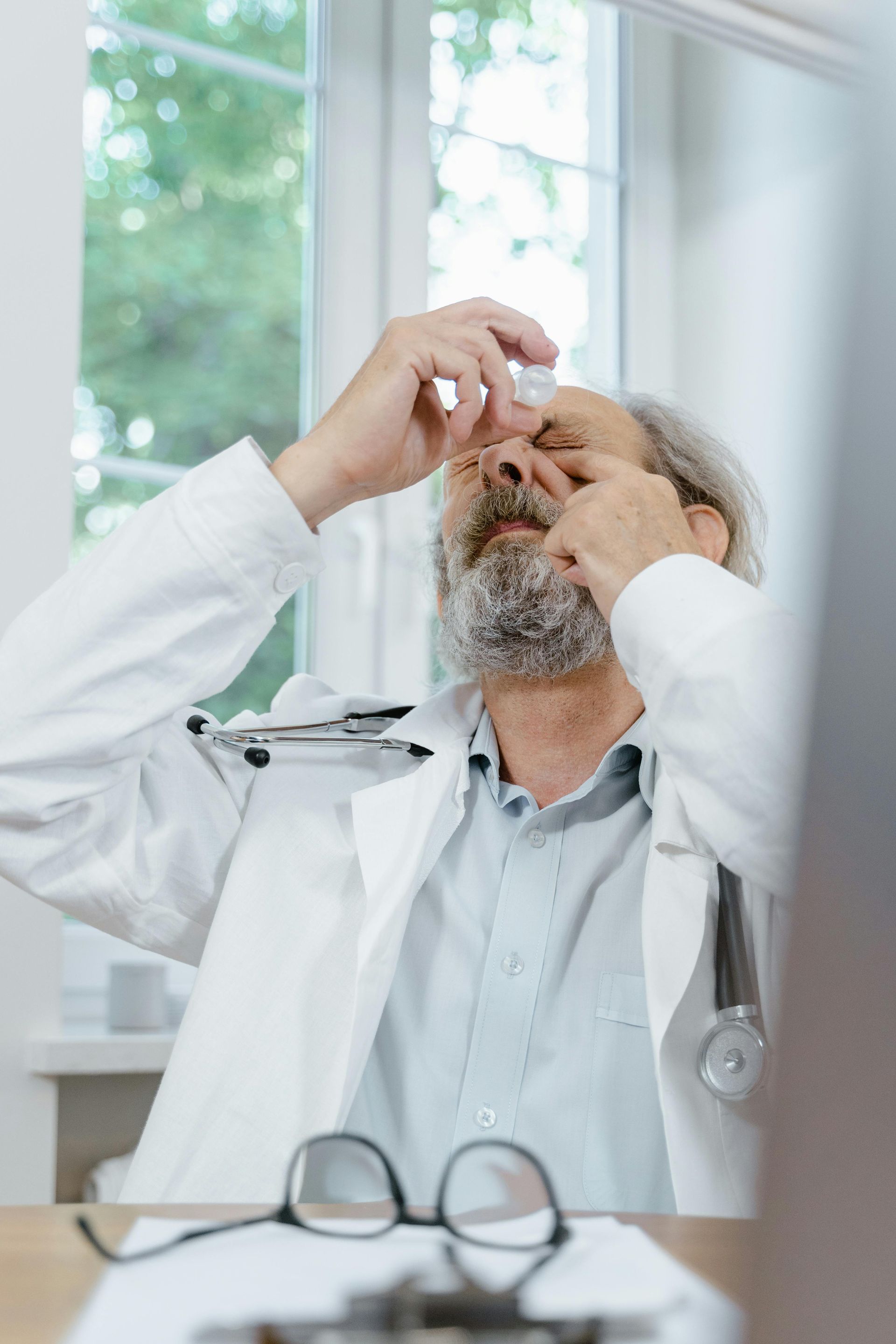
Artificial tears and lubricating eye drops can provide temporary relief for mild cases. For more persistent symptoms, prescription eye drops that reduce inflammation or increase tear production may be necessary.
Advanced treatments include procedures to block tear ducts, intense pulsed light therapy, and treatments that target the oil glands in your eyelids. These options can provide longer-lasting relief for people with chronic dry eye conditions.
How Can You Manage Dry Eyes at Home?
Simple lifestyle changes can significantly improve dry eye symptoms. Using a humidifier, taking regular screen breaks, staying hydrated, and protecting your eyes from wind and dry air can all help maintain better eye moisture.
Proper eyelid hygiene and warm compresses can help if your dry eyes are related to blocked oil glands. Your eye care provider can teach you specific techniques that work best for your situation.
Diet may also play a role in dry eye management. Omega-3 fatty acids found in fish and other foods may help improve tear quality and reduce inflammation. Comprehensive eye care services in Austin often include nutrition counseling as part of dry eye treatment plans.
Austin's Climate Impact on Dry Eye Symptoms
Austin's climate presents unique challenges for dry eye sufferers. The hot, dry summers with low humidity can increase tear evaporation and worsen symptoms. Air conditioning, both indoors and in vehicles, further reduces moisture levels that can stress already compromised tear systems.
The city's high pollen counts during cedar fever season and other allergy periods can also trigger inflammatory responses that worsen dry eye symptoms. Many Austin residents experience seasonal fluctuations in their dry eye comfort.
Wind patterns and dust from ongoing construction throughout the metro area can irritate sensitive eyes. Understanding these local factors helps in developing effective management strategies tailored to Austin's environment.
Don't let dry eyes interfere with enjoying everything Austin has to offer. Contact Future EyeCare at (512) 252-7075 to schedule a comprehensive dry eye evaluation and discover treatment options that can restore your comfort and visual clarity.